

Renewal & Circadian Rhythm
Skin doesn't repair continuously — it works to a biological clock. Supporting the timing of renewal is as important as supporting renewal itself.
You might recognise this as
Uneven skin tone that's hard to shift. Slower recovery after damage or irritation. Skin that looks better at some times of day than others.

The biology
Why timing matters as much as ingredients
kin's repair processes — DNA correction, epidermal cell turnover, collagen synthesis — are governed by circadian rhythms. Peak repair activity occurs at night. As circadian clock gene expression declines with age, the coordination of these processes degrades, and renewal becomes slower and less complete.

In younger skin
Precisely timed repair
Clock genes coordinate repair activity across the day. Epidermal turnover is regular. DNA repair peaks overnight. Cell renewal is efficient and timely.

With age & stress
Desynchronised and slower
Clock gene expression declines. Renewal cycles lengthen. DNA damage accumulates between repair windows. Skin tone becomes uneven as turnover loses its rhythm.
Key actives
How Evolve supports this domain
These ingredients support epidermal turnover, DNA repair and the circadian timing of skin's renewal processes.
Renewal acceleration · epidermal turnover
Bio-retinoids
Plant-derived alternatives to retinol that support epidermal cell turnover and skin renewal without the irritation associated with synthetic retinoids. Bakuchiol — the best-evidenced bio-retinoid — has demonstrated comparable activity to retinol in clinical studies.
In brief
A double-blind clinical study comparing bakuchiol to retinol found comparable improvements in fine lines, pigmentation and skin texture with significantly lower rates of irritation — making it appropriate for sensitive and mature skin alike.

Wound healing · collagen synthesis support
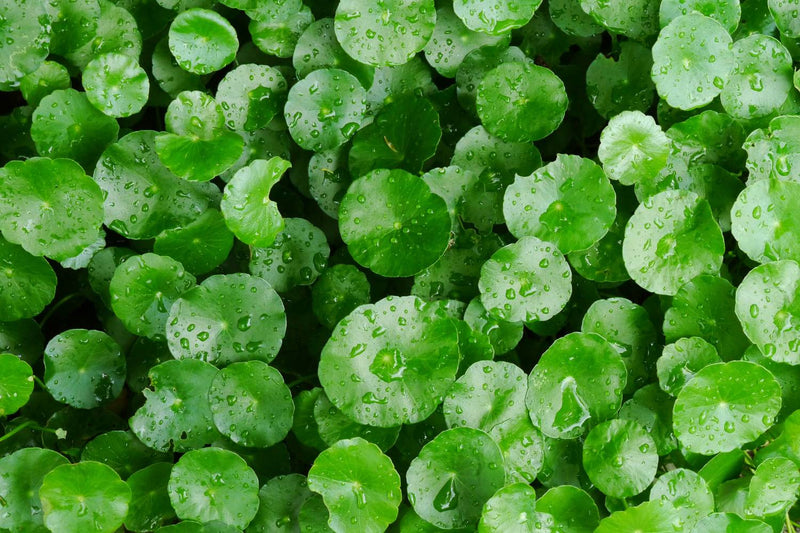
Centella Asiatica
A traditional botanical with a strong evidence base for accelerating skin repair, stimulating collagen synthesis and supporting the skin's natural regenerative processes. Particularly relevant to renewal-phase support.
In brief
Centella asiatica and its active compounds (asiaticoside, madecassoside) have been shown in multiple studies to stimulate fibroblast proliferation, increase collagen synthesis and accelerate wound healing.
Brightening · collagen co-factor · antioxidant
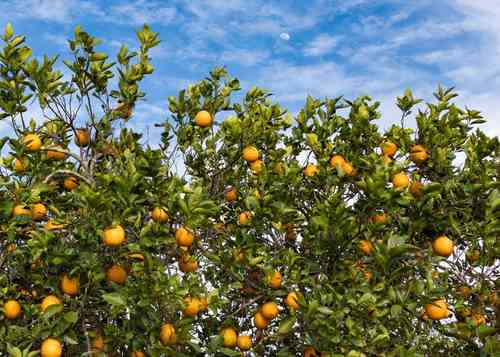
Vitamin C
An essential co-factor in collagen synthesis and a potent antioxidant that neutralises the free radicals generated by UV exposure and environmental stress. Also directly addresses the pigmentation unevenness associated with disrupted renewal.
In brief
Vitamin C is required for hydroxylation of proline and lysine in collagen synthesis — without it, collagen cannot be properly formed. It also inhibits melanin production via tyrosinase inhibition, improving skin tone.
Shop this domain
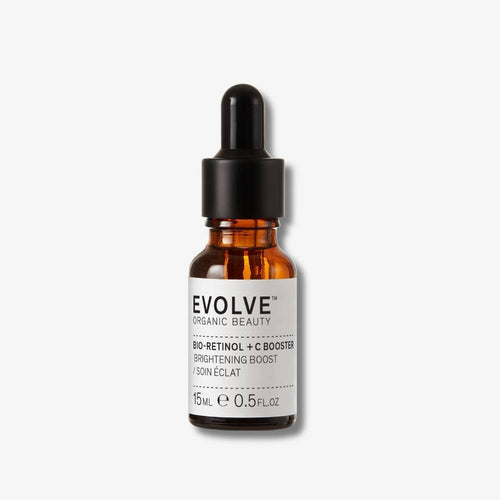
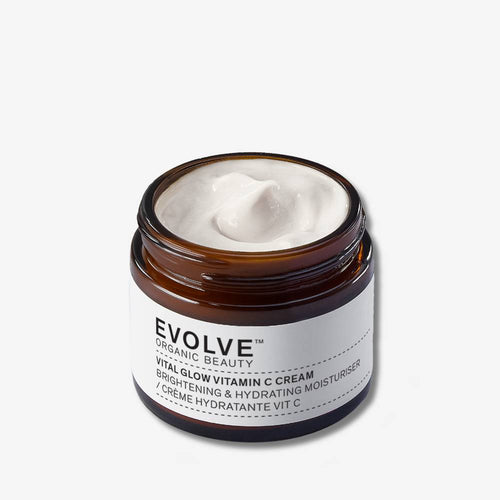
Products that support structural renewal & circadian rhythm
Questions
Frequently asked
Find your routine
Not sure which products are most relevant to your skin? Take the quiz and we'll connect your concerns to the biological systems at work.
Take the skin longevity quiz