

Cellular Communication & Regenerative Signalling
The signals that tell skin to regenerate. At the frontier of skin longevity science — and the focus of Evolve's September 2026 launch.
You might recognise this as
Skin that has lost its responsiveness — that no longer bounces back the way it used to. Deeper lines, loss of density, and a feeling that nothing is quite working anymore.

The biology
Why cellular communication is the frontier of skin longevity
Skin renewal depends on cells communicating effectively — sending and receiving signals that coordinate growth, repair and regeneration. Growth factors like EGF (Epidermal Growth Factor) and regenerative compounds like PDRN (Polydeoxyribonucleotide) support this signalling network. As we age, the fidelity of these signals declines.

In younger skin
Clear signals, coordinated repair
Growth factor receptors are responsive. EGF signalling drives efficient cell renewal. Intercellular communication coordinates regeneration across the skin's layers.

With age & stress
Declining signal fidelity
Growth factor production falls. Receptor sensitivity decreases. The coordination of repair becomes less precise — cells receive fewer instructions to renew and regenerate.
Key actives
How Evolve supports this domain
These ingredients support the skin's regenerative signalling network — working at the level of growth factors, DNA building blocks and intercellular coordination.
Regenerative signalling · cell renewal
T-EGF (Teprenone-stabilised Epidermal Growth Factor)
Epidermal Growth Factor is a protein that binds to receptors on skin cells, triggering renewal and regenerative processes. T-EGF is a stabilised form that maintains activity in a topical formulation — delivering growth factor signalling to the skin's surface.
In brief
EGF has been shown in multiple clinical studies to increase epidermal cell renewal, improve skin texture and density, and reduce the appearance of fine lines. Stabilised EGF (T-EGF) maintains efficacy in cosmetic formulations where standard EGF would degrade.
DNA repair support · tissue regeneration
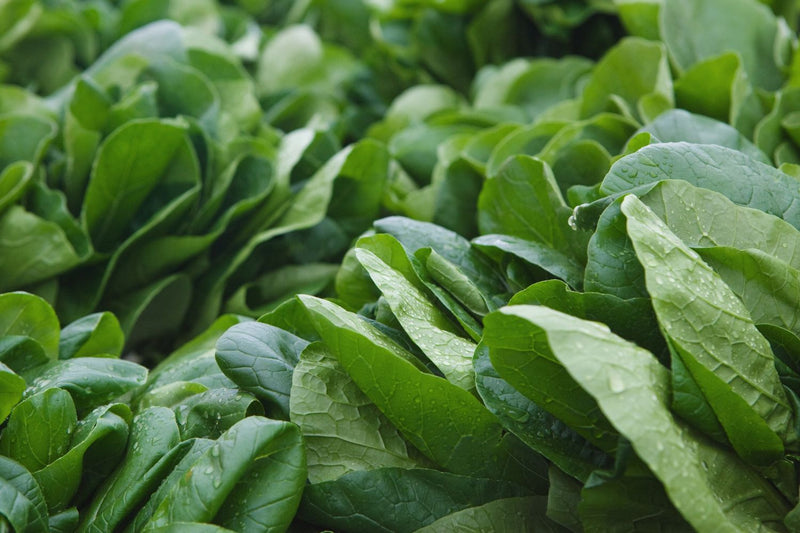
Vegan PDRN (from spinach)
Polydeoxyribonucleotide provides DNA building blocks that support tissue regeneration and repair. Evolve's vegan PDRN is derived from spinach — offering the regenerative benefits of this advanced active within a 100% plant-based formulation.
In brief
PDRN has a well-established clinical history in aesthetic medicine for wound healing and tissue regeneration. Spinach-derived vegan PDRN provides the same polynucleotide building blocks in a biocompatible, plant-based form.
Collagen synthesis support · structural signalling
Vegan Collagen Peptides (from Arctic microalgae)
Marine-derived peptides from Arctic microalgae that signal fibroblasts to produce collagen — supporting the structural domain from within the signalling domain. A crossover active that bridges cellular communication and structural integrity.
In brief
Arctic microalgae-derived peptides have shown fibroblast-stimulating activity in vitro, supporting collagen synthesis and providing a vegan alternative to marine or animal-sourced collagen peptides.
Shop this domain
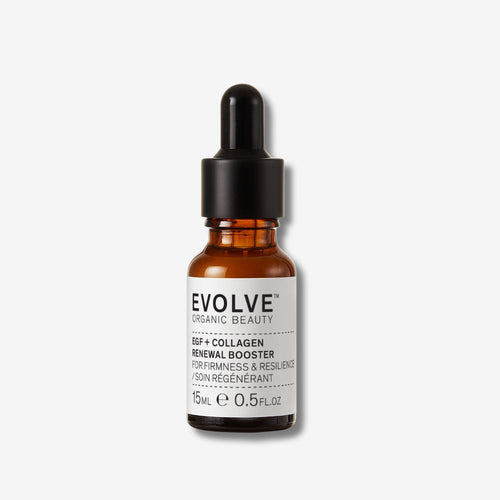
Products that support Cellular Communication & Regenerative Signalling
Questions
Frequently asked
Find your routine
Not sure which products are most relevant to your skin? Take the quiz and we'll connect your concerns to the biological systems at work.
Take the skin longevity quiz